Caring for an aging parent or spouse in New Orleans is a labor of love, and bath time is often where that labor weighs heaviest. Walk-in tubs support family caregivers in ways that go far beyond the person stepping into the water, and that side of the story deserves telling.
Walk-in tubs help family caregivers by removing the lifting, bracing, and hovering that traditional bathtubs demand. With a door for easy entry, a secure seat, and controls within reach, the person bathing regains independence while the caregiver trades physical strain and worry for simple, calm assistance.
If bath time has become the hardest part of caregiving, book your free consultation and see what an easier routine could look like.
Why Is Bathing the Hardest Part of Caregiving?
Ask any family caregiver and the answer comes quickly: bathing combines physical strain, safety fear, and emotional delicacy all at once. Helping a loved one over a slippery tub wall asks a lot of anyone’s back and balance.
There is also the tenderness of it. Nobody enjoys needing help with something so private, and nobody enjoys being the reason a parent feels less than independent. The tension leaves both people dreading a moment that used to be ordinary.
When bath time gets hard, it quietly gets rarer, and everyone feels the loss. Solving the bathing problem is not a luxury; it protects health, dignity, and the relationship itself.
Caregivers carry a quieter burden as well: the worry that never fully switches off. Even outside the bathroom, part of the mind stays on the next bath, the next slippery moment, the next close call. Anything that retires that worry gives the caregiver back energy for the parts of caregiving that actually feel like love, which is precisely what the right equipment does.
How Does a Walk-In Tub Change Bath Time for a Caregiver?

The transformation starts with what stops happening. No more bracing a loved one as they swing a leg over the tub wall. No more white-knuckle moments on wet surfaces. No more hovering through an entire bath because letting go feels risky, and no more aching back at the end of it all.
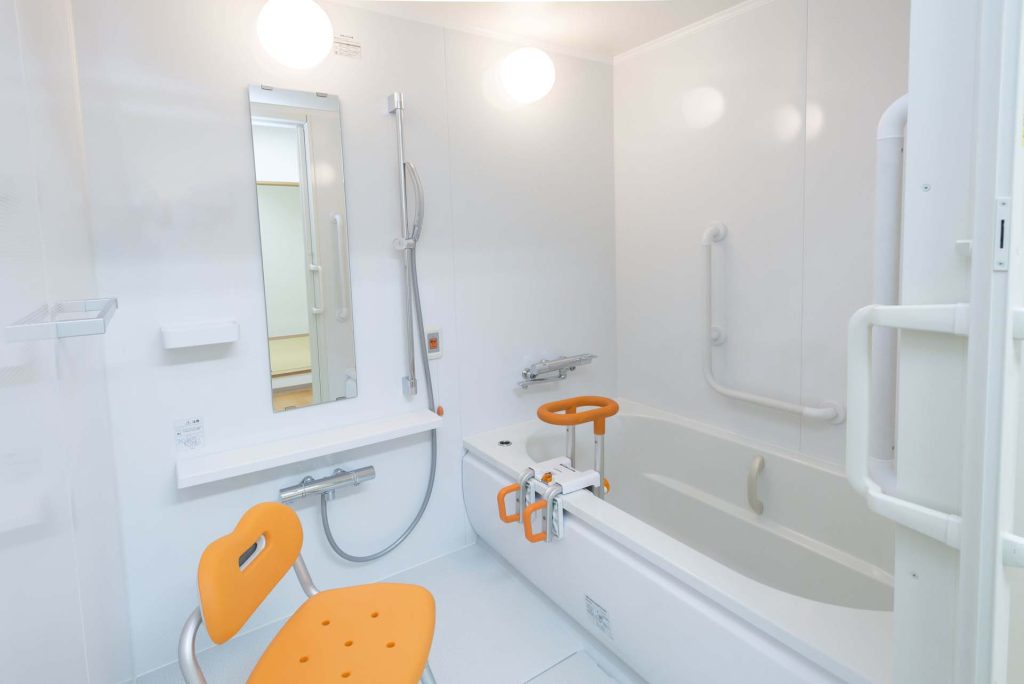
Instead, the door opens, your loved one steps in gently and sits on a secure seat, and the tub fills around them. A handheld shower wand brings water where it is needed without contortions, and controls sit within easy reach of the seat.
For the caregiver, assistance shrinks to the edges: a hand at the door, help with hair, a towel warmed and waiting. Professional walk-in bathtub installation handles everything technical, so the change arrives without you managing a construction project on top of caregiving.
What Does It Give Back to the Person Receiving Care?
Independence, first and loudest. Bathing alone again, safely, restores a piece of adulthood that traditional tubs quietly confiscate. For many older adults, that matters more than any comfort feature.
Privacy follows close behind. When help is only needed at the margins, the bath itself belongs to the bather again. Doors, seats, and reachable controls mean the most personal parts of the routine stay personal.
And then there is pleasure, the forgotten ingredient. Warm, seated soaking feels wonderful, and many people find it eases tired joints and busy minds. The benefits of walk-in bathtubs read like a wellness list, but the headline is simpler: baths become something to look forward to again.
How Do I Choose a Walk-In Tub That Works for Both of Us?
Shop for the partnership, not just the patient. The best walk-in tub serves the person bathing on their strong days, supports them on their hard days, and keeps the caregiver’s role light on both.
| Caregiving Challenge | How a Walk-In Tub Helps | What to Look For |
|---|---|---|
| Lifting and bracing at the tub wall | Door entry removes the climb entirely | A door swing that suits your bathroom and routine |
| Fear of slips during the bath | Seated bathing on slip-resistant surfaces | Contoured seating and textured floors |
| Awkward rinsing and hair washing | Handheld wand brings water to the person | A wand the caregiver can reach comfortably too |
| Bather cannot reach taps or drain | Controls placed for seated use | Simple controls that stiff hands manage easily |
| Wheelchair transfers | Dedicated accessible designs exist | Outward doors and transfer-friendly seating |
| Resistance to feeling institutional | Modern designs look like quality fixtures | Styles and finishes that suit the room |
If wheelchair use is part of your reality, explore wheelchair accessible walk-in tubs specifically, because transfer design changes the recommendation. And if you are weighing the bigger picture, our post on why walk-in tubs suit aging in place widens the lens beyond bath time.
One more gentle piece of advice: bring your loved one into the decision as early as you can. A tub they helped choose arrives as their upgrade, not your intervention, and that framing matters more to acceptance than any feature on the list. The guides at Big Easy Bathtubs are happy to talk with the whole family for exactly this reason.
Frequently Asked Questions
Can a caregiver still help easily with a walk-in tub?
Yes, and more comfortably than before. The caregiver assists from a natural standing position at the tub’s side rather than bending over a wall. Hair washing, rinsing, and a steadying hand all get easier when nobody is fighting the tub’s shape.
Do walk-in tubs work for wheelchair users?
Dedicated wheelchair accessible models exist, built around transfers with outward-swinging doors and supportive seating. Mention wheelchair use at the start of any conversation so every recommendation fits how transfers actually happen in your home.
What if my parent has good days and bad days?
That variability is exactly what walk-in tubs are built for. On strong days, your parent bathes fully independently. On harder days, the same tub makes assistance simple and dignified. The equipment flexes so the family does not have to.
My parent refuses anything that feels medical. Will they accept this?
Modern walk-in tubs have shed the institutional look, and involving your parent in choosing the style helps enormously. Framed as a bathroom upgrade rather than a concession, the same tub often gets welcomed instead of resisted.
Where should a family start?
Start with a conversation, not a catalog. A free consultation looks at your bathroom, your loved one’s needs, and your caregiving routine together, then lays out options in plain language. From there, every decision gets easier.
Will the rest of the family still enjoy the bathroom?
Yes, and often more than before. Walk-in tubs offer deep, seated soaking that plenty of younger family members quietly fall in love with. A well-chosen model reads as a premium fixture, not medical equipment, so the bathroom stays a room everyone likes using.
Care for Them, and for Yourself
A walk-in tub will not do the loving for you, but in a New Orleans home where bath time has become a struggle, it hands a heavy piece of caregiving back to the equipment, where it belongs.
Talk it through with someone who understands both sides: call 504-553-3699 or request a free estimate today. Your back, and your loved one’s dignity, will both thank you, and bath time can go back to being just bath time.