Choosing between a freestanding tub and a built-in tub is one of the biggest style decisions a New Orleans homeowner can make in a bathroom. Both can look beautiful and bathe beautifully, but they suit different rooms, layouts, and daily habits.
A freestanding bathtub stands on its own as a sculptural centerpiece and offers flexible placement, while a built-in bathtub fits against walls or into alcoves, making the most of compact layouts and offering practical storage ledges. The right choice depends on your space, cleaning preferences, and the look you want.
Not sure which direction suits your bathroom? Schedule your free estimate and get honest guidance before you commit.
What Makes a Freestanding Tub So Appealing?
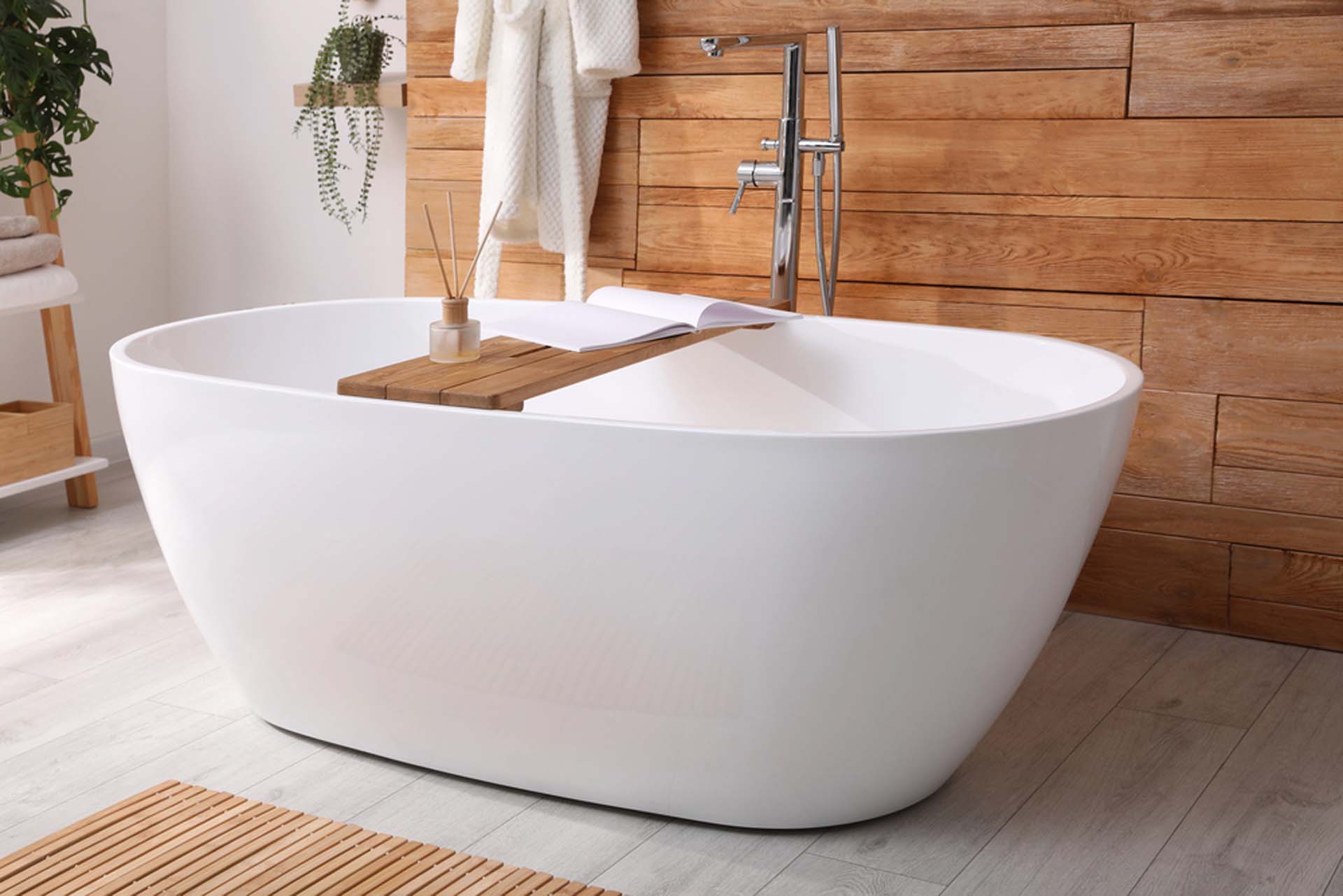
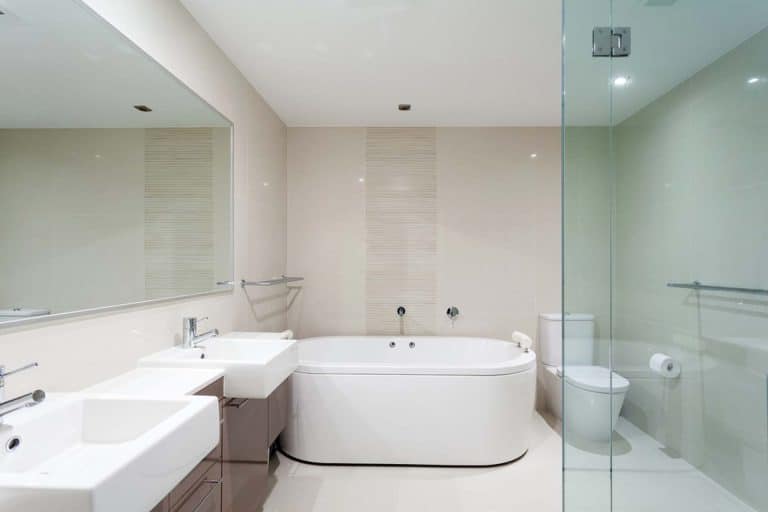
A freestanding tub is furniture as much as fixture. It commands attention, turns the bath into a destination, and instantly gives a bathroom a boutique-hotel feeling.
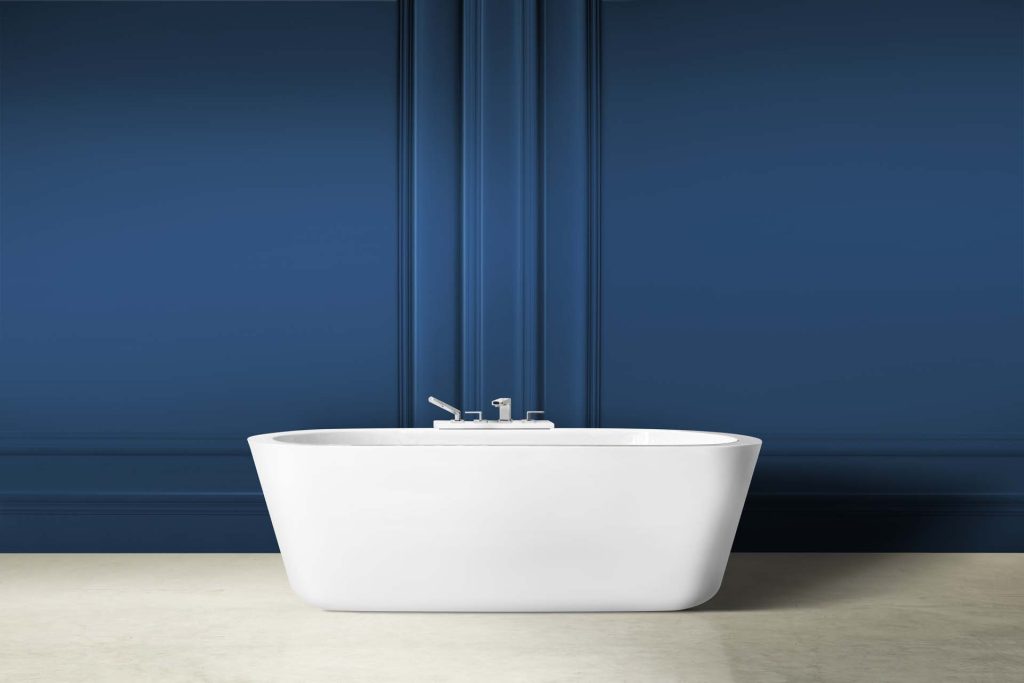
Because it does not depend on walls, a freestanding tub offers placement freedom: centered under a window, angled in a corner, or floating in the middle of the room. Styles range from sleek modern ovals to vintage clawfoot silhouettes, so there is a freestanding look for nearly every taste.
Freestanding designs also invite personality. A slipper-back shape suggests old-world leisure, a crisp geometric tub reads as gallery-modern, and finishes from glossy white to matte stone tones let the tub match the mood of the room. For homeowners who see the bathroom as a retreat, that expressiveness is the whole point.
What Are the Practical Strengths of a Built-In Tub?
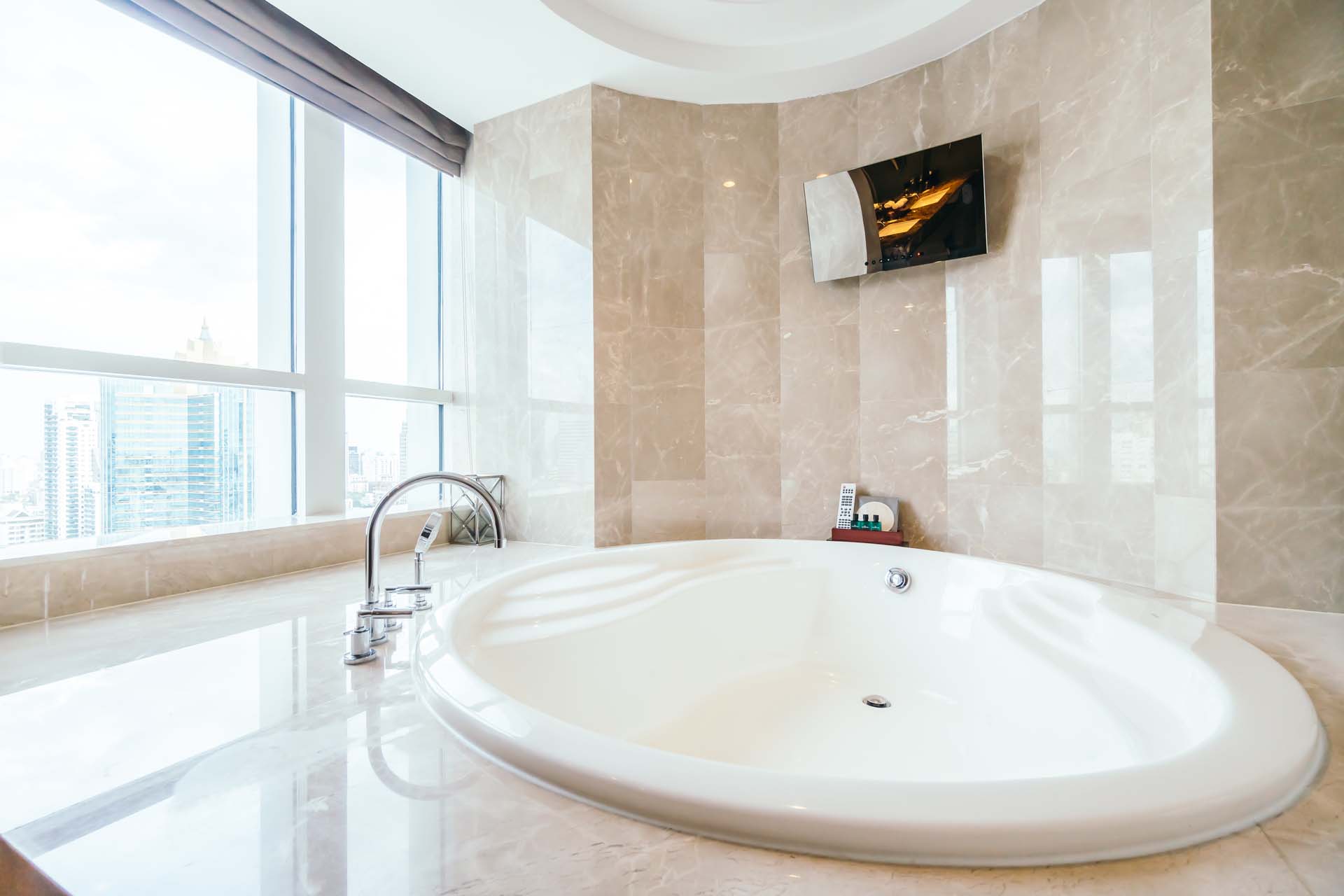
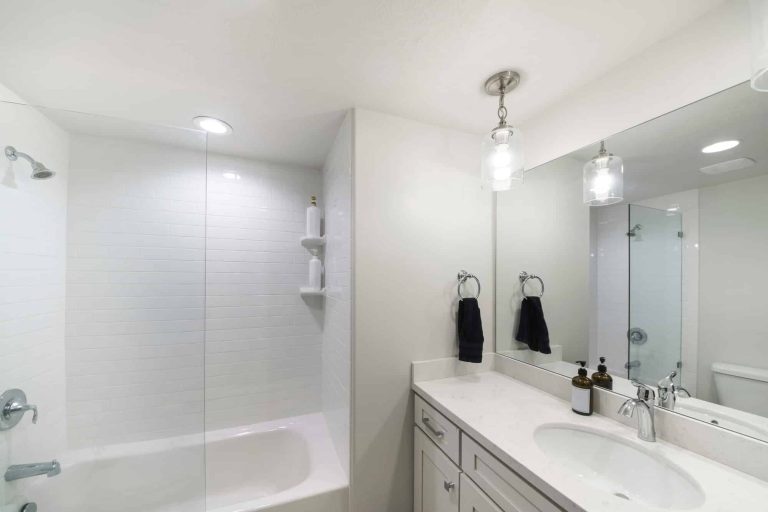
Built-in tubs, including alcove and drop-in styles, are the workhorses of family bathrooms. They tuck into the room’s footprint, pair naturally with showers, and surround the bather with ledges for soap, shampoo, and a resting arm.
Cleaning around a built-in is simpler because there is no behind-the-tub zone to reach. For households where the tub does daily duty, that practicality adds up. Our comparison of alcove and drop-in bathtubs breaks down the two most popular built-in styles.
Built-ins also play well with the architecture around them. A tiled surround can echo the shower, a deck-mounted faucet can match the vanity hardware, and the whole room reads as one composed design rather than a collection of pieces.
Which Bathtub Style Is Better for My Bathroom?
The honest answer: the one your room, habits, and heart agree on. Here is how the two styles compare on the factors that matter most.
| Consideration | Freestanding Tub | Built-In Tub |
|---|---|---|
| Visual impact | Sculptural centerpiece that defines the room | Blends into the room’s architecture |
| Placement flexibility | High: anywhere plumbing allows | Limited to walls, corners, and alcoves |
| Use of space | Needs breathing room around it to shine | Makes the most of tight layouts |
| Shower pairing | Usually separate from the shower | Pairs naturally with a shower above |
| Storage ledges | Minimal: caddies and side tables help | Built-in surround offers natural shelf space |
| Cleaning access | Requires reaching around all sides | No hidden zones behind the tub |
| Best suited to | Statement bathrooms and dedicated soakers | Family bathrooms and everyday routines |
Material choice shapes the experience as much as the silhouette does. Before deciding, it is worth reviewing the pros and cons of different bathtub materials, since freestanding and built-in tubs are both offered in a wide range of finishes.
A helpful exercise: stand in your bathroom and picture each option in place. Imagine cleaning around it on an ordinary morning, bathing a child in it, or sinking into it after a difficult day. The style that survives all of those mental scenes, not just the glamorous one, is the style to choose.
How Do You Switch From One Style to the Other?
Moving from a built-in to a freestanding tub, or the other way around, is a common upgrade and entirely achievable. A professional bathtub installation service evaluates your plumbing and layout, then handles the transition from start to finish.
If your current tub is tired but the layout works, a straightforward bathtub replacement in the same footprint keeps things simple. Big Easy Bathtubs guides New Orleans homeowners through either path with plain answers and no pressure.
Whichever direction you lean, resist the urge to decide from photos alone. Rooms have quirks that pictures hide, and the tub that looks perfect online may argue with your window, your door swing, or your daily routine once it arrives.
How Does Your Tub Choice Shape the Rest of the Room?
The tub you choose quietly directs every other design decision in the bathroom. A freestanding tub exposes more floor, which makes flooring choice and floor-mounted or wall-mounted plumbing part of the look. The faucet becomes jewelry for the room, and the wall behind the tub becomes a natural feature wall.
A built-in tub shifts the attention to its surround. Tile, stone, or a fitted wall panel frames the tub, and the ledge becomes both display shelf and daily storage. Lighting matters for both: a freestanding tub loves a statement fixture above it, while a built-in benefits from soft, even light across the alcove.
Neither path is more work than the other; they simply spend their design energy in different places. Knowing where that energy will go helps you picture the finished room before committing to the tub.
Frequently Asked Questions
Is a freestanding tub harder to keep clean?
It involves more surfaces, since the outside of the tub is fully visible and the floor beneath it is exposed. Many owners find the extra wiping a fair trade for the look. If low-maintenance cleaning is a top priority, a built-in style may suit you better.
Can a small bathroom fit a freestanding tub?
Sometimes, yes. Compact freestanding designs exist, and the open floor visible beneath them can actually make a room feel airier. The deciding factor is whether the tub still has comfortable clearance for bathing, cleaning, and moving around it.
Do built-in tubs look dated?
Not at all. Modern built-in designs, paired with attractive surrounds and tile work, look every bit as current as freestanding styles. Design trends favor clean lines in both categories, and a well-chosen built-in elevates the whole room.
Which style is better for resale appeal?
It varies by home and buyer. A striking freestanding tub can wow in a primary bath, while families shopping for practical homes often prefer a built-in with a shower. The best choice is the one that fits how your household actually bathes.
Can I keep my shower if I choose a freestanding tub?
Yes. Many bathrooms pair a freestanding tub with a separate shower when space allows. Where the room cannot fit both, a built-in tub with a shower overhead remains the classic space-saving answer.
Do freestanding tubs feel less sturdy than built-in tubs?
A quality freestanding tub, properly placed by a professional, feels every bit as solid as a built-in. The wobbling-tub worry usually traces back to poor placement rather than the style itself. This is one more reason professional guidance matters more than the label on the tub.
Find the Style That Fits Your Home
Freestanding or built-in, the best bathtub for your New Orleans bathroom is the one that matches your space and your routine. Let your space and your routine cast the deciding vote, and choose the tub you will actually look forward to using.
Call 504-553-3699 for friendly guidance, or request your free estimate today. A quick conversation now saves a long regret later.